What to Look for in a Home Builder: A Step-by-Step Guide
Finding the ideal home builder is a critical decision. It necessitates thorough review of numerous factors, including expertise, reliability, and way of communicating. A detailed examination can reveal essential details that influence the whole construction process. Understanding these elements contributes to a productive arrangement. However, figuring out how to proceed can be challenging. What specific qualities should one focus on in this significant choice?
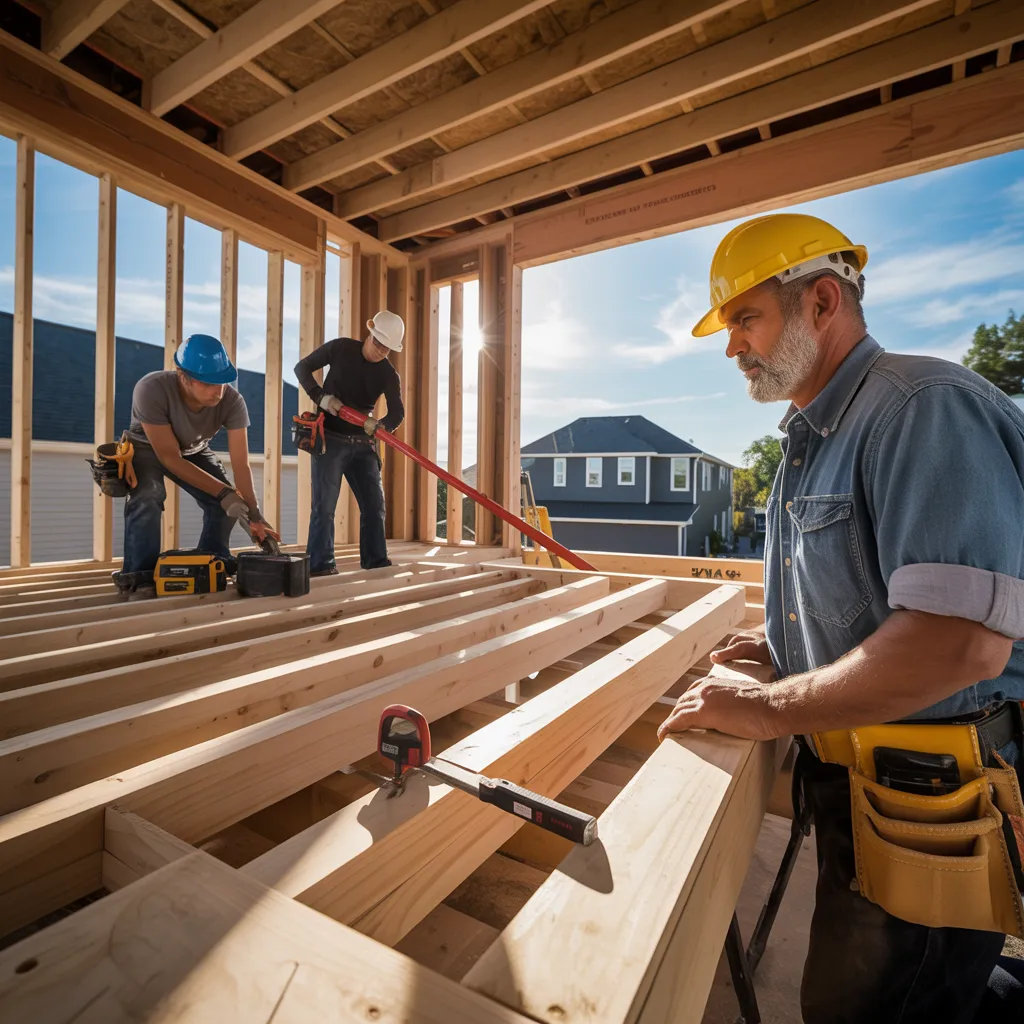
Reviewing Builder Experience and Portfolio
When selecting a home builder, a strong portfolio and proven experience serve as key indicators of capability. Experienced builders often exhibit a more thorough understanding of local regulations, design trends, and construction processes. This foundation can significantly impact the efficiency and quality of the project.
A carefully assembled portfolio demonstrates a construction professional's scope of projects, featuring various styles and complexities. Future homebuyers should review past constructions to assess the builder's skill level, precision, and capacity to fulfill project expectations.
Furthermore, the body of work can highlight the contractor's flexibility to varying client needs and environments. Collaborating with builders who have a history of completed projects can build trust in their capacity to meet expectations. In the end, assessing experience and past work enables homeowners to make informed decisions, ensuring their investment matches their desired outcomes and personal expectations.
How to Evaluate Reviews and Reputation?
What methods can future homeowners use to evaluate a builder's standing? A particularly trustworthy strategy involves reading customer reviews on sites such as Google, Yelp, and industry-specific construction platforms. This feedback commonly delivers meaningful information about former clients' interactions, revealing both positive qualities and areas of concern. Furthermore, monitoring social media channels can uncover up-to-date responses and community engagement.
Homeowners should also seek recommendations from friends, family, or local real estate agents, as word-of-mouth recommendations frequently hold considerable value. Moreover, investigating the builder's standing with local business bureaus can uncover any complaints or unresolved issues.
To gain a complete understanding, it is helpful to contact previous clients directly, asking specific questions about their overall satisfaction and workmanship quality. By merging these strategies, future homeowners can gain a balanced perspective of a contractor's standing, guaranteeing a well-considered final decision.
Communicating Effectively With Your Builder
Developing transparent dialogue with a builder is crucial for a productive home construction project. Proper communication establishes that everyone involved are aware of expectations, timelines, and anticipated difficulties. It commences with an introductory conversation where homeowners can communicate their goals, financial parameters, and any special considerations. Regular updates, whether through emails, direct calls, or on-site consultations, promote clarity.
Homeowners ought to promote open communication, giving the builder the opportunity to share feedback and progress updates. This two-way communication fosters trust and can lead to more efficient problem-solving. It is also essential for homeowners to document conversations and decisions to avoid misunderstandings later.
Defining specific milestones and timelines can further enhance communication, ensuring that the project remains on schedule. At the end of the day, clear and consistent communication not only reduces tension but also supports a more efficient construction process, leading to a home that satisfies what the homeowner had in mind.
How Your Home Builder Chooses Materials
Clear communication lays the groundwork for grasping how builders determine materials for a construction endeavor. Builders typically consider several factors, including the project's design, local building codes, and the homeowner's preferences. They often prioritize quality and durability, opting for materials that meet or exceed industry standards.
Environmental responsibility is another key consideration, with a growing number of builders adopting green alternatives to cater to eco-aware clientele. These professionals often work closely with vendors to ensure consistent access to particular resources, keeping timelines and budgets in mind.
Moreover, construction professionals analyze the pricing and performance traits of materials, weighing the benefits of various options against potential risks. This thorough assessment process ensures that the final decision matches the homeowner's expectations while ensuring structural durability and aesthetic value. At the end of the day, the material selection showcases both the builder's proficiency and the shared feedback from the homeowner.
Understanding Fair Pricing Structures
Understanding transparent pricing structures is vital for potential homeowners. A clear financial breakdown permits clients to identify clearly where their money is going, while comparing quote estimates helps guarantee they are receiving favorable pricing. This transparency can significantly influence the choosing process when hiring a construction professional.
Transparent Cost Breakdown
How can prospective homeowners guarantee they are getting a fair deal when hiring a builder? A clear and detailed cost breakdown is crucial for comprehending equitable pricing frameworks. Builders should provide detailed estimates that outline all costs involved, including materials, labor, permits, and unexpected expenses. This clarity not only fosters trust but also enables homeowners to assess where funds are allocated. Potential homeowners should ask about the pricing approach employed, confirming it meets industry benchmarks. A trustworthy contractor will readily explain their pricing approach, clarifying any differences in expenses. Such candor empowers homeowners to make educated decisions and decreases the chance of undisclosed fees or surprise costs, guaranteeing a more efficient building journey.
Analyzing Quote Estimates
When evaluating prospective builders, comparing quote estimates becomes an important step in securing transparent pricing arrangements. Prospective homeowners should obtain numerous bids to comprehend standard market pricing and recognize inconsistencies. Every quote should view information about include a detailed breakdown of costs, covering materials, labor, and supplementary charges. This transparency helps in determining whether a bid is fair or overpriced. Homeowners should also inquire about the approach used for each quote, as distinct builders may employ differing criteria for labor and materials. It is essential to consider not only the total cost but also the quality of materials and services offered. By meticulously analyzing these bids, homebuyers can reach educated conclusions and select a builder that aligns with their budget and expectations.
Important Questions to Ask Prior to Signing
Prior to finalizing a contract with a residential builder, it is important to ask specific questions about their expertise and experience. Additionally, checking their credentials and insurance can ensure peace of mind regarding their credibility and your protection. Lastly, familiarizing yourself with the warranty and aftercare services provided can contribute to ensuring enduring contentment with the project.
Skills and Experience
Choosing a home builder necessitates careful consideration of their knowledge and skills, as these elements significantly impact the standard of the completed project. Future homeowners should ask about the builder's experience in the business and the styles of residences they specialize in. Seeking references or examples of completed projects can provide insight into their craftsmanship and customer satisfaction. It is also helpful to familiarize yourself with the builder's strategies regarding handling challenges and managing timelines, as these skills can impact timelines and budgets. Moreover, exploring any industry awards or distinctions achieved can reveal their standing in the industry. In the end, a builder's knowledge and skills should align with the homeowner's vision and expectations for their future residence.
Licensing and Insurance
A comprehensive grasp of licensing and insurance is vital for homeowners choosing a builder. Homeowners should first verify that the builder has a current and valid license, as this demonstrates adherence to local regulations and standards. It is advisable to obtain documentation of the license, confirming that it is valid and applicable to the type of construction planned.
Insurance coverage is equally vital. Homeowners must ask about general liability insurance, offering protection against potential damages, and workers' compensation insurance, protecting against on-site injuries. A trustworthy builder should readily supply documentation of both. This careful approach not only safeguards the homeowner's investment but also builds confidence in the builder's professionalism and dedication to quality.
Guarantee and Aftercare Solutions
Grasping warranty coverage and aftercare offerings is a vital consideration after confirming a contractor's licensing and insurance. Future homeowners should inquire about the details of the warranty, including its timeframe and what it covers. Essential inquiries involve: What is the process for making a claim? Are there any restrictions or exceptions? Furthermore, it's critical to understand the post-construction services offered. Homeowners should inquire how the builder manages issues after construction, such as structural repairs and upkeep. They should also explore the accessibility of support services and response times for service requests. A construction company's investment in warranty and aftercare services can significantly influence the overall satisfaction with the home, making these inquiries essential before finalizing any agreements.
Common Questions and Answers
What Warranties Do Home Builders Typically Offer After Project Completion?
Residential builders commonly include warranties that cover structural defects for 10 years, systems and appliances for a period of one to two years, and workmanship for 12 months, providing coverage for potential problems following project completion.
How Do Builders Handle Unexpected Project Delays or Issues?
Construction professionals typically handle unanticipated construction delays by maintaining open communication with customers, identifying the underlying reason, and offering adjusted project timelines. They often put contingency measures in place and arrange resolutions to limit the effects, guaranteeing ongoing project progress and customer satisfaction.
Can My Home Design Be Customized With Any Builder?
Not every builder permits home design customization. Some provide predetermined floor plans, while some give homeowners more versatile choices. Prospective homeowners should inquire about customization possibilities to ensure their ideas match the builder's offerings.
What Financing Options Do Home Builders Offer for New Homes?
Home constructors commonly provide several payment alternatives, including direct builder financing, partnerships with lenders, and adaptable payment structures. These options aim to suit a range of financial situations, making purchasing a home more achievable for prospective homeowners seeking new homes.
How Do Contractors Achieve Energy Efficiency in Newly Built Homes?
Construction professionals guarantee optimal energy use in newly constructed residences by integrating state-of-the-art insulation materials, energy-saving windows, and HVAC systems. They further incorporate environmentally responsible building practices and innovations, seeking to lower energy demand and boost overall ecological performance.